Menopause Guide
Our complete menopause guide: perimenopause, menopause and postmenopause explained, plus HRT, non-hormonal treatments, lifestyle strategies and an FAQ.

Menopause is not a single moment. It is a transition that can unfold over a decade or more, touching sleep, mood, memory, metabolism, bones, heart, skin and sexual health. This guide walks through every stage, explains what is happening in your body, and lays out every major treatment option with an honest read on the evidence. Use the table of contents to jump to what you need, and follow the links to our in-depth articles.
What Is Menopause?
Medically, menopause is the point at which you have gone 12 consecutive months without a menstrual period, when that is not explained by pregnancy, breastfeeding, medication or another condition. It marks the end of the ovaries’ reproductive function and a permanent drop in the hormones they produce, mainly estrogen and progesterone.
In the United States, the average age of natural menopause is about 51, and most women reach it between 45 and 55. Menopause before 40 is called premature menopause or premature ovarian insufficiency, and menopause between 40 and 45 is considered early. Read early menopause signs if that might apply to you.
Menopause can also be induced: by surgical removal of both ovaries, by chemotherapy or pelvic radiation, or by certain medications. Induced menopause tends to start abruptly and symptoms can be more intense.
The Three Stages of Menopause

Stage 1: Perimenopause
Perimenopause (“around menopause”) is the transition leading up to your final period. It usually begins in the 40s, sometimes in the late 30s, and commonly lasts around four to eight years.
What is happening: Ovarian function becomes erratic. Rather than declining smoothly, estrogen can swing high and low from cycle to cycle, and progesterone falls as ovulation becomes less regular. Those swings explain why perimenopause can feel so unpredictable.
Common signs:
- Changes in your cycle: shorter, longer, heavier, lighter or skipped periods
- Hot flashes and night sweats, sometimes while cycles are still regular
- Sleep problems, including early-morning waking
- New or worsening anxiety, irritability or low mood
- Brain fog: word-finding problems, forgetfulness
- Breast tenderness, headaches, worse PMS
- Joint aches and changes in weight distribution
Pregnancy is still possible during perimenopause, so contraception remains important if you do not want to conceive. Our perimenopause symptoms checklist can help you recognize and track what you are experiencing.
Stage 2: Menopause
Menopause itself is one day: the 12-month anniversary of your last period. You usually only know you reached it in hindsight. Around this time, symptoms such as hot flashes are often at their most frequent.
Stage 3: Postmenopause
Postmenopause is the rest of your life after that point. In the early postmenopause years, vasomotor symptoms often continue. Research from the NIH-funded Study of Women’s Health Across the Nation (SWAN) found that frequent hot flashes and night sweats lasted a median of about 7.4 years overall. See how long does menopause last for the full timeline.
Over the longer term, lower estrogen affects:
- Bones: bone loss accelerates in the years around menopause, raising the risk of osteoporosis and fractures.
- Heart and blood vessels: cardiovascular risk rises after menopause, making blood pressure, cholesterol and blood sugar checks more important.
- Vaginal and urinary tissues: genitourinary syndrome of menopause (dryness, painful sex, urinary urgency and recurrent UTIs) tends to persist or progress without treatment.
- Muscle and metabolism: muscle mass declines and fat tends to shift to the abdomen.
Any vaginal bleeding after menopause should be checked by a doctor promptly.
Why Symptoms Happen
Estrogen acts on tissues throughout the body, including the brain, blood vessels, bones, skin, joints, bladder and vaginal tissue. When it fluctuates and falls, those systems respond.
- Hot flashes and night sweats come from the hypothalamus, the brain’s thermostat. Without estrogen’s stabilizing effect, its comfortable temperature range narrows and certain neurons (signaling through neurokinin B) become overactive, triggering flushing and sweating at the smallest temperature rise.
- Sleep disruption comes from night sweats, changes in sleep-regulating brain chemistry, anxiety, and a rising risk of sleep apnea.
- Mood and cognitive changes relate to estrogen’s effects on brain chemicals such as serotonin, plus sleep loss.
- Vaginal and urinary symptoms come from thinning and drying of estrogen-sensitive tissues.
- Joint, bone and muscle changes reflect estrogen’s role in inflammation, bone turnover and connective tissue.
For a complete list, see our 34 recognized symptoms of menopause.
How Menopause Is Diagnosed
For women over 45 with typical symptoms and cycle changes, menopause and perimenopause are usually diagnosed clinically, based on your age, history and symptoms. Hormone blood tests are often unhelpful in this group because levels fluctuate so much.
Testing is more useful when:
- Symptoms start before 45
- You have had a hysterectomy (so periods cannot guide the diagnosis)
- Other conditions need to be ruled out, such as thyroid disease, anemia or pregnancy
Treatment Options
The right treatment depends on which symptoms bother you most, your age, your health history and your preferences. Most women use a combination.
Hormone therapy (HRT/MHT)

Menopausal hormone therapy is the most effective treatment for hot flashes and night sweats and prevents bone loss. It typically includes:
- Estrogen, delivered by patch, gel, spray or tablet. Transdermal routes appear to carry a lower risk of blood clots than oral estrogen.
- A progestogen for women with a uterus, to protect the uterine lining. Options include micronized progesterone, a progestin, or a hormonal IUD.
- Vaginal estrogen, a very low-dose local treatment for dryness and urinary symptoms that is minimally absorbed.
The Menopause Society (formerly NAMS) states that for healthy women under 60 or within 10 years of menopause who have bothersome symptoms, the benefits of hormone therapy generally outweigh the risks. In November 2025, the FDA announced it would remove the broad boxed warning from menopausal hormone therapy labeling, reflecting updated understanding of the evidence since the Women’s Health Initiative.
HRT is not right for everyone. It is usually avoided or needs specialist input for women with a history of breast cancer, blood clots, stroke, heart attack, active liver disease or unexplained vaginal bleeding. Women with premature or early menopause are generally advised to take hormone therapy until around the average age of natural menopause unless there is a reason not to.
Read the full breakdown: HRT pros and cons.
Non-hormonal prescription treatments
For women who cannot or prefer not to use hormones:
- Fezolinetant (Veozah), FDA-approved in 2023, blocks the neurokinin 3 receptor in the brain’s temperature center. It requires liver monitoring.
- Elinzanetant, a related medication that blocks NK1 and NK3 receptors, was approved by the FDA in 2025.
- Low-dose paroxetine is FDA-approved for hot flashes; other SSRIs and SNRIs such as venlafaxine and escitalopram are also used and can help mood.
- Gabapentin, often taken at bedtime, helps night sweats and sleep.
- Oxybutynin has trial evidence but is used selectively because of side effects.
Compare them in our guide to non-hormonal menopause treatments.
Behavioral therapies
- Cognitive behavioral therapy (CBT) reduces how bothersome hot flashes are and improves sleep and mood.
- CBT for insomnia (CBT-I) is the first-line treatment for chronic insomnia.
- Clinical hypnosis has reduced hot flashes in randomized trials.
The Menopause Society’s 2023 non-hormone therapy position statement recommends CBT and clinical hypnosis for vasomotor symptoms.
Lifestyle foundations
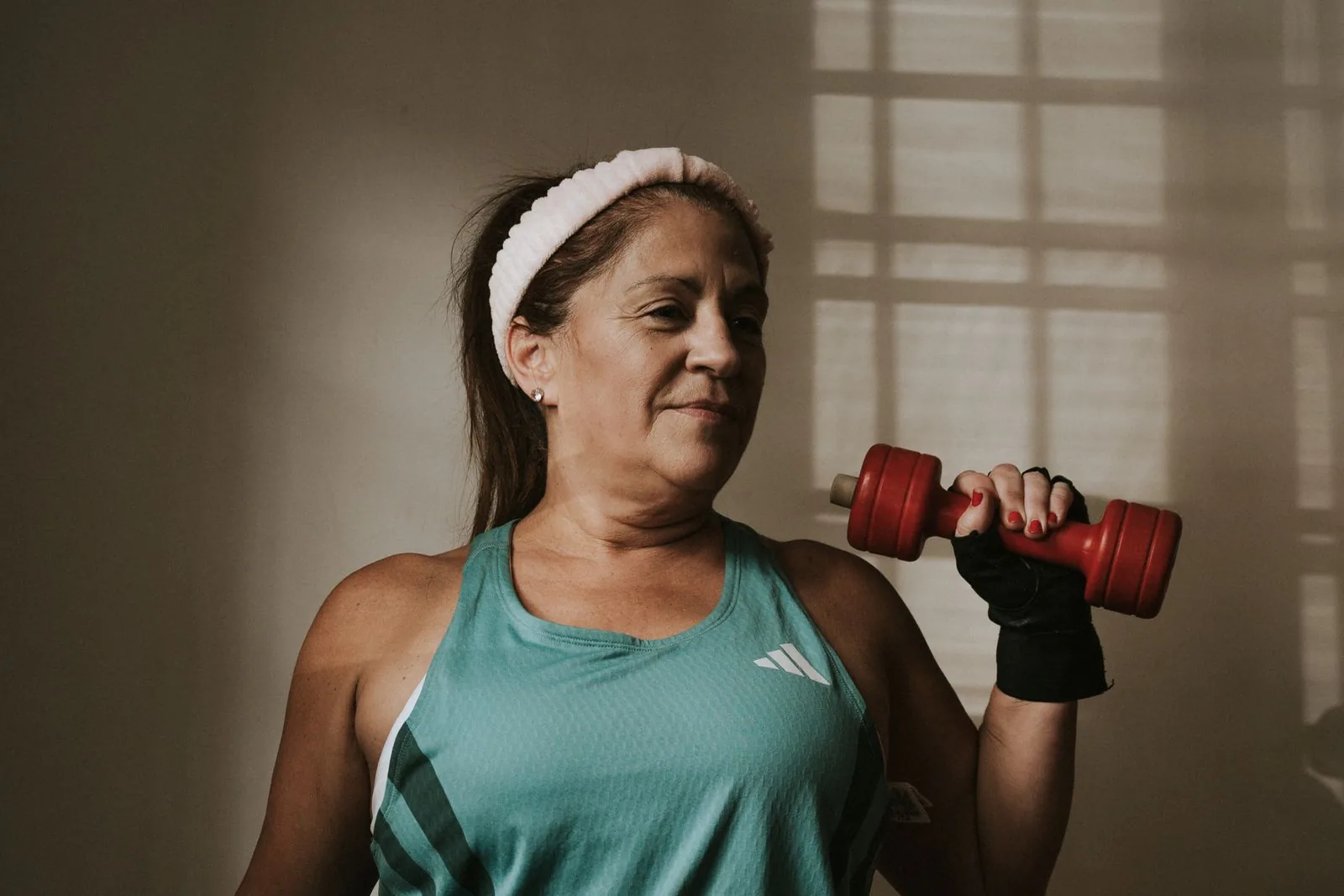
Lifestyle changes will not switch off the hormonal signal, but they make a real difference to how you feel and to your long-term health:
- Strength training at least twice a week to protect muscle and bone.
- Aerobic activity, aiming for about 150 minutes of moderate activity a week.
- Protein at every meal, plenty of fiber and plants; a Mediterranean-style pattern has strong evidence for heart and metabolic health.
- Limit alcohol and avoid smoking, both of which worsen hot flashes, sleep and bone health.
- Cool your sleep environment. A cool room, a fan and breathable bedding help with night sweats. See our guide to cooling sheets for night sweats, and for active bed cooling, 8 Sleep Alternative compares lower-cost options.
- Protect sleep with a regular schedule and a wind-down routine. Good Sleep has more practical sleep guidance.
- Manage stress with exercise, mindfulness, therapy and social connection.
Supplements
Most supplements marketed for menopause, including black cohosh, red clover and evening primrose oil, have weak or inconsistent evidence. Vitamin D and calcium can be useful for bone health if your intake is low. Read our evidence review of the best supplements for menopause.
Menopause and Sleep
Sleep deserves its own section because it affects everything else: mood, memory, appetite, weight and pain tolerance. Menopause disrupts sleep through night sweats, hormonal changes in sleep regulation, anxiety and increased sleep apnea risk. Effective strategies include treating night sweats, CBT-I, a cool and dark bedroom, consistent wake times and limiting late caffeine and alcohol. Start with menopause insomnia and menopause night sweats.
Protecting Long-Term Health
- Bones: weight-bearing and resistance exercise, adequate calcium and vitamin D, no smoking, and bone density screening (recommended for women 65 and older, or earlier with risk factors).
- Heart: regular checks of blood pressure, cholesterol and blood sugar, plus exercise, a heart-healthy diet and not smoking.
- Pelvic and urinary health: vaginal moisturizers, lubricants, low-dose vaginal estrogen, and pelvic floor physical therapy.
- Brain: sleep, exercise, social connection and treating hearing loss and high blood pressure all support long-term brain health.
How to Talk to Your Doctor
Many women find menopause gets little time in a standard appointment. To make the most of it:
- Track your symptoms for a few weeks first. Our perimenopause symptoms checklist includes a simple method.
- Lead with impact: “My sleep and work are suffering” gets more attention than a list of symptoms.
- Ask directly about hormone therapy and non-hormonal options.
- Bring your history: blood clots, cancers, migraines, family history of early menopause or heart disease.
- Ask for a referral to a menopause-knowledgeable clinician if needed. The Menopause Society maintains a directory of practitioners who hold its certification.
Frequently Asked Questions
What are the first signs of perimenopause?
Changes in your menstrual cycle are often the first sign, alongside sleep changes, hot flashes, mood shifts and new anxiety.
What is the average age of menopause?
About 51 in the United States, with most women reaching it between 45 and 55.
How long do menopause symptoms last?
Hot flashes and night sweats last a median of about 7.4 years according to the SWAN study, and for some women more than a decade. Vaginal and urinary symptoms often persist without treatment.
Is HRT safe?
For healthy women under 60 or within 10 years of menopause with bothersome symptoms, major medical societies consider HRT a reasonable option where benefits generally outweigh risks. It is an individual decision.
What helps menopause symptoms without hormones?
Fezolinetant, low-dose SSRIs or SNRIs, gabapentin, CBT, clinical hypnosis and lifestyle measures all have evidence.
Can I still get pregnant during perimenopause?
Yes. Use contraception until your clinician advises you no longer need it.
Do I need a blood test to diagnose menopause?
Usually not if you are over 45 with typical symptoms. Tests are more useful for younger women or when other causes need to be ruled out.
Keep Reading
- The 34 recognized symptoms of menopause
- Hot flash relief guide
- HRT pros and cons
- Non-hormonal menopause treatments
- Menopause night sweats
- All articles on the blog
Sources: The Menopause Society; National Institute on Aging; American College of Obstetricians and Gynecologists; Mayo Clinic; MedlinePlus; Avis NE, et al., JAMA Internal Medicine, 2015 (SWAN).
Your Free Guide Is One Step Away
This is the guide most women wish they had received when their symptoms first started. Not a pamphlet. Not a pharmaceutical brochure. A comprehensive, honest resource that covers every stage of the menopause journey in the kind of plain language your doctor rarely has time for.
What is inside: 47 pages covering the 4 stages of menopause, all 34 recognized symptoms with real explanations, the truth about HRT in 2026, natural and non-hormonal options ranked by evidence, the menopause and sleep connection, what to actually ask your doctor, and a symptom tracker you can use at appointments.
Why We Created This
When menopause begins, most women are handed a pamphlet, told it is normal, and sent home. The average gynecology appointment in the United States lasts 18 minutes. There is no time to cover the cognitive changes, the sexual health changes, the cardiovascular implications, the bone density considerations, the sleep disruption, and the emotional landscape of a decade-long hormonal transition in 18 minutes.
We created this guide because you deserve complete information. Not filtered through what your insurer will cover or what your doctor has time to explain. Just the full picture, clearly written, evidence-based, and completely free.
What You Will Learn
- The difference between perimenopause, menopause, and postmenopause and what each stage actually means for your body
- Why your symptoms are happening at a biological level, not just that they are happening
- Every treatment option that currently exists, from lifestyle interventions to HRT to the new non-hormonal medications approved in 2023 and 2025
- How to evaluate whether HRT is right for you and what questions to ask your doctor
- Natural and supplement-based approaches with honest evidence ratings
- Why sleep gets so difficult during menopause and what the research shows about addressing it
- How to find a menopause specialist if your current provider is not meeting your needs
- A symptom tracker designed to make your medical appointments more productive
Get Your Free Copy
About Our Editorial Process
Every piece of content on Menopause Solved is written with reference to current clinical evidence and reviewed against guidance from The Menopause Society, the American College of Obstetricians and Gynecologists (ACOG), the National Institutes of Health, and the published work of leading menopause specialists including Dr. Mary Claire Haver, Dr. Jen Gunter, and Dr. Louise Newson.
We are not doctors and this site does not provide medical advice. What we provide is the kind of thorough, honest information that helps you walk into medical appointments as an informed participant in your own care. That is what this guide is built to do.