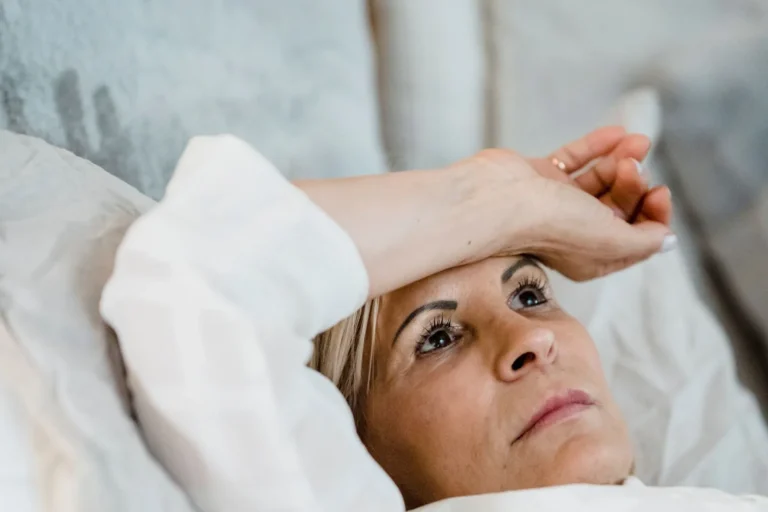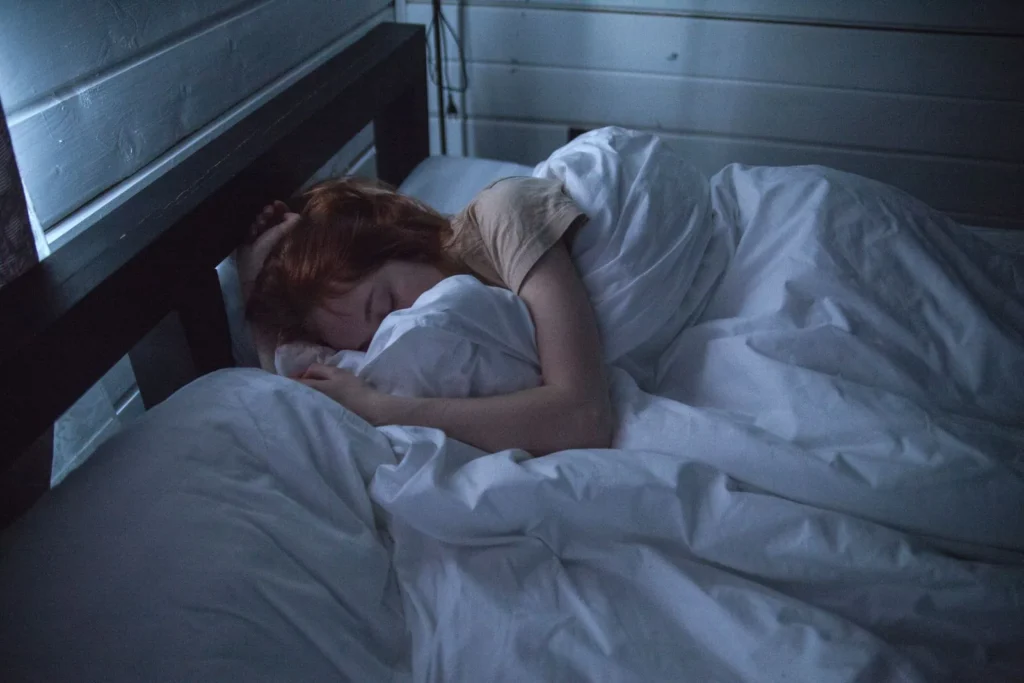
You fall asleep comfortable. Two hours later you wake up drenched, the sheets clinging to you, your heart racing. You kick off the covers, then lie there wide awake while you cool down and, eventually, start shivering. If that sounds familiar, you are dealing with night sweats, one of the most common and most sleep-wrecking symptoms of the menopause transition.
The good news is that night sweats are well understood, and there are more effective options for managing them today than at any point in history. This guide explains what is going on in your body, what you can change tonight, and which medical treatments have the strongest evidence.
What Are Menopause Night Sweats?
Night sweats are simply hot flashes that happen while you are asleep. Doctors group hot flashes and night sweats together as vasomotor symptoms (VMS). During an episode, blood vessels near the skin widen to dump heat, your skin flushes, and you sweat, sometimes heavily enough to soak pajamas and bedding.
Because they happen at night, they do double damage. The episode itself is uncomfortable, and the awakening it causes fragments your sleep. Many women find that it is the poor sleep, not the heat, that drives their daytime fatigue, irritability and brain fog.
Why Do Night Sweats Happen?
The short answer is estrogen and the brain’s thermostat.
Your hypothalamus keeps your core temperature inside a comfortable range, called the thermoneutral zone. As estrogen levels fluctuate and fall during perimenopause, that zone narrows. A tiny rise in core temperature that you would never have noticed before now crosses the threshold, and the brain responds as if you are overheating: it dilates blood vessels and triggers sweating to cool you down fast.
Research over the last decade has also identified a group of neurons in the hypothalamus (called KNDy neurons) that become overactive when estrogen drops. They signal through a messenger called neurokinin B, and this discovery led directly to a new class of non-hormonal drugs, which we cover below.
Common triggers
Not every night sweat has a trigger, but many women notice patterns. Common ones include:
- Alcohol, especially in the evening
- Spicy food or a large meal close to bedtime
- Caffeine later in the day
- A warm bedroom or heavy, non-breathable bedding
- Stress and anxiety
- Smoking
Keeping a simple log for two weeks (what you ate and drank, room temperature, how many episodes) is one of the fastest ways to find your personal triggers. Our perimenopause symptoms checklist includes a tracker format you can copy.
How Long Do Night Sweats Last?
Longer than most women are told. The Study of Women’s Health Across the Nation (SWAN), a large, long-running study funded by the National Institutes of Health, found that vasomotor symptoms lasted a median of about 7.4 years, and for some women more than a decade. Women whose symptoms started earlier, in perimenopause, tended to have them longest. We break down the full timeline in how long does menopause last.
That is why “just wait it out” is not a reasonable plan for many women. If night sweats are affecting your sleep and your life, treatment is worth discussing.
Cool the Bedroom First
Environmental changes will not stop the underlying hormonal signal, but they raise the threshold at which a small temperature rise turns into a full episode, and they help you get back to sleep faster.

- Lower the thermostat. Many sleep experts suggest a cool room, roughly in the mid-60s Fahrenheit. Experiment to find what works.
- Move air. A ceiling fan or bedside fan helps sweat evaporate, which is how your body actually cools.
- Layer your bedding. Use several light layers instead of one heavy duvet so you can shed one without waking fully.
- Choose breathable fabrics. Sheets made from moisture-wicking or breathable materials can feel noticeably cooler. See our guide to the best cooling sheets for night sweats.
- Keep a cooling kit nearby. A glass of cold water, a spare shirt and a small towel on the nightstand mean you can recover in a minute rather than getting up.
- Consider active cooling. Some women use temperature-regulating mattress covers or cooling pads. If you are researching those, 8 Sleep Alternative compares lower-cost options to premium smart beds.
Daily Habits That Help
- Limit alcohol, especially within three hours of bed. It is one of the most consistently reported triggers.
- Eat dinner earlier and lighter. Large or spicy meals raise body temperature.
- Exercise, but not right before bed. Regular activity supports better sleep and mood; a hard workout late at night can make you run warm.
- Practice paced breathing. Slow breathing (about six breaths a minute) when a flash begins can make it feel more manageable for some women.
- Address weight if relevant. Higher body weight is associated with more frequent vasomotor symptoms in some studies, and our article on menopause weight gain covers why it shifts in midlife.
Medical Treatments for Night Sweats
Hormone therapy
Menopausal hormone therapy (MHT, also called HRT) remains the most effective treatment for hot flashes and night sweats. The Menopause Society (formerly NAMS) states that for healthy women under 60 or within 10 years of menopause, the benefits generally outweigh the risks. Women with a uterus need a progestogen along with estrogen to protect the uterine lining. Read our full breakdown of HRT pros and cons.
Non-hormonal prescriptions
If you cannot or prefer not to use hormones, there are proven alternatives:
- Fezolinetant (Veozah), approved by the FDA in 2023, blocks the neurokinin 3 receptor in the brain’s temperature center. It was the first drug designed specifically for hot flashes.
- Low-dose paroxetine is FDA-approved for moderate to severe vasomotor symptoms. Other SSRIs and SNRIs such as venlafaxine are also used.
- Gabapentin, taken at night, can reduce night sweats and may help sleep.
Our guide to non-hormonal menopause treatments compares these in detail.
Cognitive behavioral therapy
CBT does not necessarily reduce the number of night sweats, but studies show it reduces how much they bother you and improves sleep. The Menopause Society’s position statement on non-hormonal therapy recommends it. If sleeplessness continues even after sweats settle, a specific program called CBT for insomnia (CBT-I) is the first-line treatment. See menopause insomnia.
When Night Sweats Might Not Be Menopause
Night sweats have other causes, including infections, thyroid problems, some medications (including certain antidepressants), low blood sugar and, rarely, some cancers. Talk to a doctor promptly if your night sweats come with unexplained weight loss, fever, swollen lymph nodes, or if they started before any other sign of perimenopause.
A Simple Night Sweats Log
Keeping a log for two weeks can reveal patterns and help you judge whether changes or treatments are working. Each morning, record:
- How many times you woke hot or sweaty
- How severe the episodes were (damp, soaked pajamas, soaked sheets)
- Bedroom temperature, if you know it
- Alcohol, caffeine and spicy food the day before
- Stress level
- How rested you feel
If you start a treatment, keep the log going for another few weeks to compare.
Night Sweats and Your Partner
Night sweats affect bed partners too: the covers get thrown off, the thermostat becomes a negotiation, and both people lose sleep. Strategies that help couples include separate blankets or duvets in different weights, a fan pointed only at your side of the bed, dual-zone cooling products, and in some cases sleeping separately on the worst nights without treating it as a relationship problem. Talking openly about what is happening helps the person who is not experiencing symptoms understand that this is a medical issue, not restlessness.
Questions to Ask Your Doctor About Night Sweats
- Are my night sweats likely to be menopause-related, or should we check for other causes?
- Would hormone therapy be safe and appropriate for me?
- If not, which non-hormonal option would suit my health history?
- Could any of my current medications be contributing?
- How should we measure whether treatment is working?
Night Sweats and Exercise Timing
Exercise helps sleep and mood, but intense workouts close to bedtime raise core temperature. Try finishing vigorous sessions at least two to three hours before bed.
Frequently Asked Questions
Are night sweats a sign of perimenopause?
Yes, often. Night sweats frequently begin in perimenopause, sometimes years before your last period, and while your cycles are still fairly regular.
Why are my night sweats worse than my daytime hot flashes?
Your core temperature naturally shifts during sleep, and bedding traps heat. Many women also notice night episodes more because they wake up from them.
Can night sweats come back after they stop?
They can. Some women see them return during stressful periods or after stopping hormone therapy. If they return years after menopause, check in with your doctor.
What should I wear to bed with night sweats?
Light, loose, breathable clothing, or none. Moisture-wicking sleepwear dries faster than cotton when you sweat heavily.
Do supplements help night sweats?
Evidence is mixed at best. Some women report benefit from certain products, but well-designed trials have generally been disappointing. See our review of the best supplements for menopause.
The Bottom Line
Night sweats are a real, treatable medical symptom. Start with a cooler bedroom and trigger tracking, and if your sleep is still suffering after a few weeks, talk with a clinician about hormone therapy or one of the newer non-hormonal options. For the full picture of every stage, read our complete menopause guide.
Sources: The Menopause Society; National Institute on Aging; Mayo Clinic.
This article is for educational purposes only and is not medical advice. Talk with a qualified healthcare professional about your symptoms and treatment options. See our editorial standards.