You wake up stiff. Your fingers ache. Your knees complain on the stairs. Many women are surprised to learn that joint pain is one of the most commonly reported symptoms during the menopause transition. It is often dismissed as “just getting older,” but hormones may be playing a role.

Good Sleep cooling and heating mattress topper
A water-based mattress topper that cools to 62°F and heats to 110°F, so you can keep the bed cool through night sweats. Simple touch-panel control with no app, Wi-Fi or subscription. Dual zone on King.
Shop nowHow Common Is It?
Joint aches and stiffness are reported by a large share of women in midlife. In the NIH-funded SWAN study, aches and stiffness in the joints were among the most frequently reported symptoms during the transition. It is so common that many menopause specialists consider it a core symptom.
Why Does Menopause Cause Joint Pain?
Estrogen’s role
Estrogen has anti-inflammatory effects and influences cartilage, bone, muscle and connective tissue. As estrogen falls, some women experience more inflammation and stiffness, and their joints may feel less well cushioned.
Osteoarthritis
The risk of osteoarthritis rises with age, and it becomes more common in women than in men after around age 50. Hormonal changes may contribute.
Muscle loss
Declining muscle mass and strength put more load on the joints. See menopause weight gain for more on muscle changes.
Weight changes
Extra weight increases strain on weight-bearing joints such as knees and hips.
Sleep and mood
Poor sleep and stress lower pain tolerance and can make aches feel worse. See menopause insomnia and menopause anxiety.
Common Symptoms
- Stiffness, especially in the morning or after sitting
- Aching in the hands, wrists, knees, hips, shoulders or neck
- Swelling in some cases
- Reduced flexibility
- Pain that moves around or affects several joints
“Frozen shoulder” (adhesive capsulitis) is also more common in women in midlife.
How to Ease Menopause Joint Pain
Keep moving
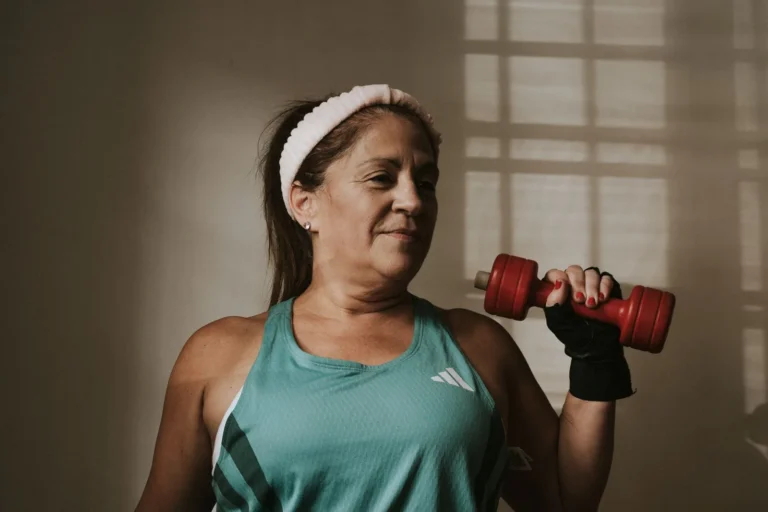
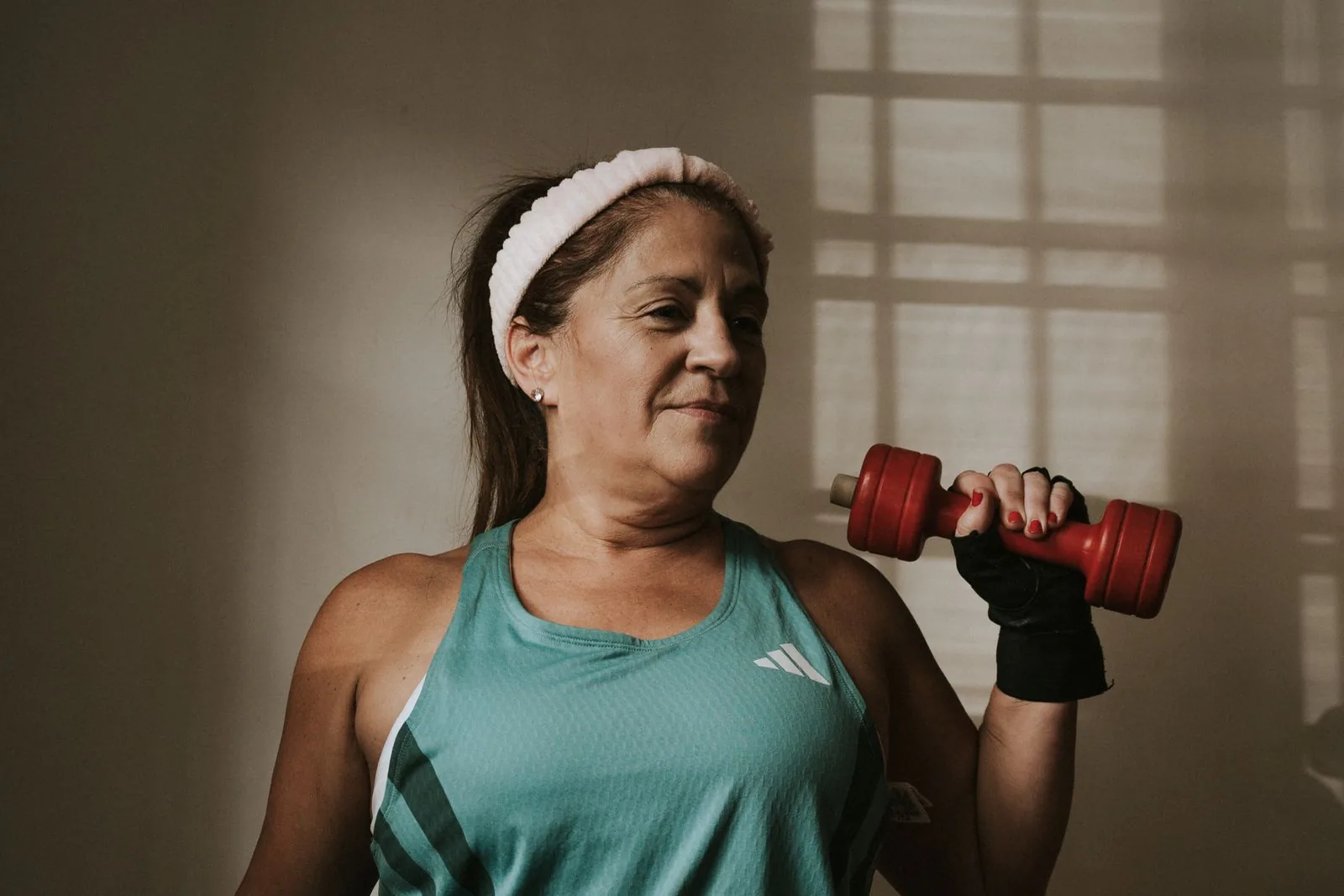
Movement is one of the best treatments for stiff joints. Low-impact exercise such as walking, swimming, cycling, yoga and tai chi keeps joints mobile without pounding them.
Strength train
Strong muscles support and protect joints. Start light and build gradually, ideally with guidance if you have existing joint problems. A physical therapist can design a program around painful areas.
Stretch and maintain mobility
Gentle daily stretching and mobility work can reduce stiffness.
Manage weight
Even modest weight loss reduces stress on knees and hips for women with overweight.
Heat and cold
Warm showers or heat packs ease stiffness. Cold packs can help swollen joints.
Over-the-counter pain relief
Acetaminophen or anti-inflammatory medications such as ibuprofen, or topical anti-inflammatory gels, can help short-term. Talk with your doctor or pharmacist about which is safe for you, especially if you have stomach, kidney or heart issues.
Prioritize sleep
Better sleep improves pain tolerance. Keep the bedroom cool and treat night sweats. For more on sleep habits, see Good Sleep.
Eat an anti-inflammatory style diet
A Mediterranean-style diet rich in vegetables, fruit, whole grains, fish and olive oil supports overall health and weight.
Does HRT Help Joint Pain?
Some research suggests that women on estrogen therapy report less joint pain, and in the Women’s Health Initiative, joint pain was somewhat less common in women taking estrogen. However, HRT is not prescribed specifically for joint pain. It may be a helpful side benefit for women taking it for other symptoms. See HRT pros and cons.
What About Supplements?
Glucosamine and chondroitin have mixed evidence for osteoarthritis. Omega-3s and turmeric have some anti-inflammatory evidence, but results are modest. Read our supplements review.
When to See a Doctor
Joint aches can have causes other than menopause. See a clinician if you have:
- Hot, red or very swollen joints
- Morning stiffness lasting more than an hour
- Joint pain with fever or rash
- Pain that limits your daily life
- Pain in the same joints on both sides of the body (which can suggest rheumatoid arthritis)
- Numbness or tingling
A doctor may test for rheumatoid arthritis, thyroid problems, vitamin D deficiency and other conditions.
Protect Your Bones Too
While joint pain and bone loss are different issues, both become more important after menopause. Estrogen loss speeds up bone loss, increasing the risk of osteoporosis. Weight-bearing exercise, strength training, adequate calcium and vitamin D, not smoking, and bone density screening (recommended for women 65 and older, or earlier with risk factors) all help.
A Gentle Joint-Friendly Exercise Plan
If joints ache, it is tempting to rest. But for most types of joint pain, the right kind of movement helps. A simple weekly framework:
- Low-impact cardio, 3 to 5 days a week: walking, swimming, water aerobics, cycling or an elliptical, for 20 to 40 minutes. Start shorter if needed.
- Strength training, 2 to 3 days a week: sit-to-stands from a chair, wall push-ups, step-ups, glute bridges, rows with a resistance band, and calf raises. Aim for 2 to 3 sets of 8 to 12 repetitions with good form.
- Mobility, daily: 5 to 10 minutes of gentle range-of-motion work for the neck, shoulders, hips, knees, ankles, wrists and fingers.
- Balance, 2 to 3 days a week: standing on one leg near a counter, heel-to-toe walking, or tai chi, which also helps prevent falls.
A helpful rule of thumb many physical therapists use: mild discomfort during exercise is acceptable if it settles within a day or so. Pain that is sharp, causes swelling, or is worse the next day means you should scale back.
Managing Morning Stiffness
Stiffness after waking is common in menopause. Things that often help:
- A warm shower or bath soon after getting up
- Gentle range-of-motion movements in bed before standing (ankle circles, knee bends, finger stretches)
- A short walk around the house before tackling demanding tasks
- Keeping the bedroom comfortably warm in winter, while still avoiding overheating at night
Stiffness that lasts more than an hour each morning should be checked, because it can be a sign of inflammatory arthritis rather than menopause-related aches.
Hands and Fingers
Many women notice aching knuckles or difficulty with jars and buttons in midlife. Osteoarthritis of the hand becomes more common around menopause. Options include hand exercises, warm water soaks, topical anti-inflammatory gels, splints at night for painful joints, and adaptive tools such as jar openers and thicker pen grips. An occupational therapist can suggest specific aids. Numbness or tingling in the fingers, particularly at night, may point to carpal tunnel syndrome, which is also more common in midlife women and is treatable.
Shoulder Pain
Frozen shoulder (adhesive capsulitis) causes gradual pain and stiffness, often making it hard to reach behind your back or overhead. It occurs most often between ages 40 and 60 and more often in women and people with diabetes. Treatment typically involves physical therapy, pain relief and sometimes steroid injections. Early assessment helps, because the condition can last many months.
Weight, Load and Your Knees
Knees carry a multiple of your body weight with each step, especially on stairs. This is why modest weight loss can noticeably reduce knee pain for women with overweight. Combining gradual weight management with quadriceps and hip strengthening is one of the best-supported approaches for knee osteoarthritis.
A Joint Pain Diary
Track for two to three weeks to see what helps and what aggravates your joints:
- Which joints hurt, and when (morning, after sitting, after activity, at night)
- How long morning stiffness lasts
- Swelling, warmth or redness
- Activities, exercise and weather
- Sleep quality the night before
- Any pain relief you used and how well it worked
Bring this to your appointment; it helps distinguish menopause-related aches from osteoarthritis or inflammatory conditions.
Questions to Ask Your Clinician
- Could my joint pain be related to menopause, osteoarthritis or an inflammatory condition?
- Do I need blood tests or imaging?
- Which pain relief options are safe for me?
- Would physical therapy help, and can you refer me?
- Should I have my vitamin D level or bone density checked?
Footwear, Posture and Everyday Habits
Small daily changes reduce strain on aching joints. Supportive, cushioned shoes help knees, hips and feet, especially if you walk a lot. Change position regularly instead of sitting for long periods; a brief stretch or short walk every 30 to 60 minutes reduces stiffness. When lifting, bend at the hips and knees and keep loads close to your body. Set up your desk so screens are at eye level and your wrists stay neutral while typing. These habits are simple, but they add up across a day.
Frequently Asked Questions
Can menopause cause joint pain all over the body?
Yes, some women experience widespread aches and stiffness during the transition.
Will menopause joint pain go away?
For some women it improves after the transition; for others it persists, especially if osteoarthritis develops. Exercise and weight management help either way.
What is the best exercise for menopause joint pain?
Low-impact activity plus strength training. Swimming and cycling are especially joint-friendly.
Is joint pain an early sign of perimenopause?
It can be. Many women notice joint aches in perimenopause. See our perimenopause symptoms checklist.
Should I worry about rheumatoid arthritis?
If you have swollen, warm joints, prolonged morning stiffness or symmetric joint pain, see a doctor to rule out inflammatory arthritis.
The Bottom Line
Joint pain in menopause is common and real, linked to falling estrogen, muscle loss and other midlife changes. Staying active, building strength, managing weight and prioritizing sleep are the foundations. Learn more on our symptoms page and in our complete menopause guide.
Sources: The Menopause Society; National Institute on Aging; Mayo Clinic.
This article is for educational purposes only and is not medical advice. Talk with a qualified healthcare professional about your symptoms and treatment options. See our editorial standards.